Genuine or a fake? – Tecnolumen Wagenfeld table lamp
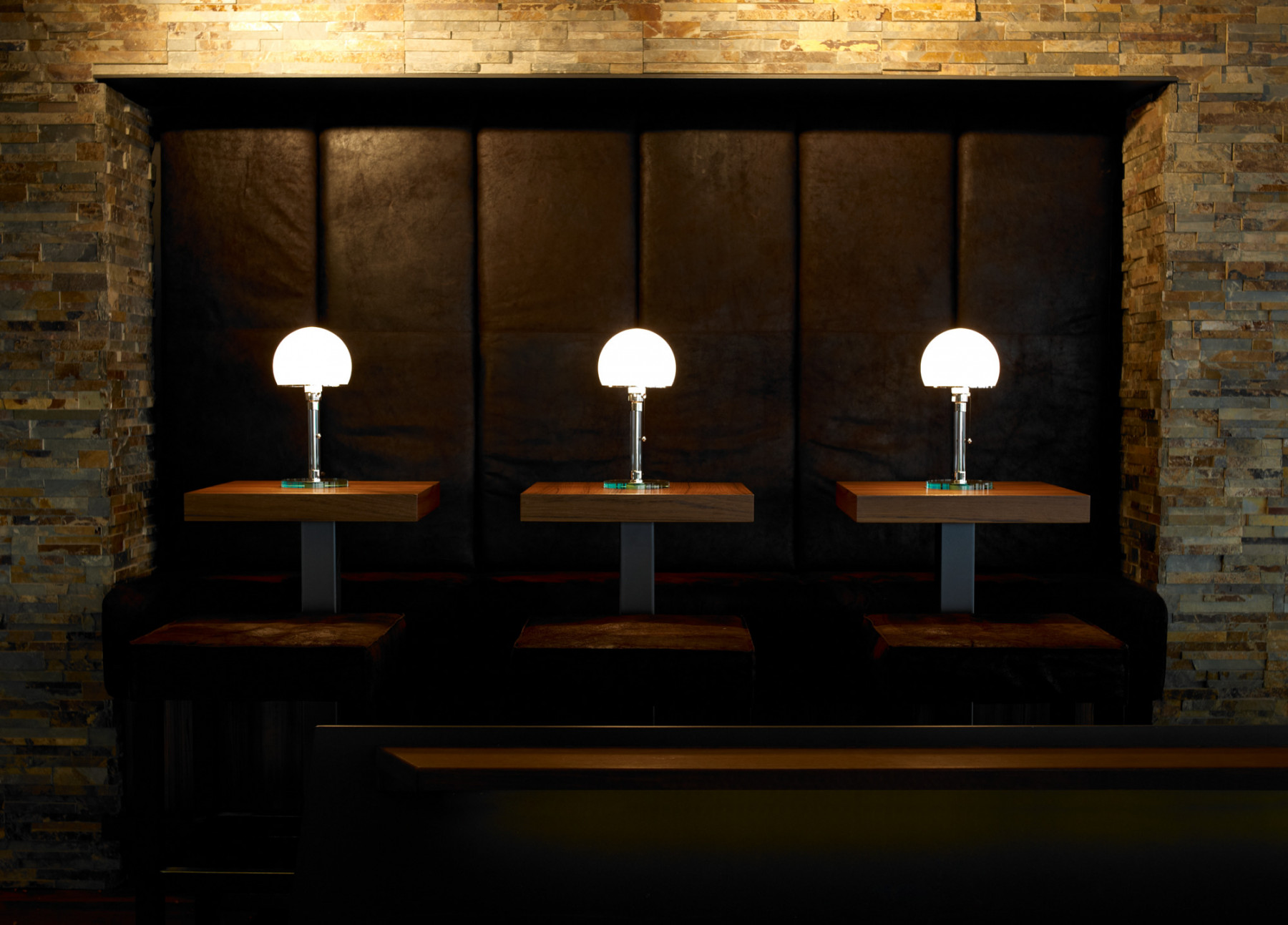
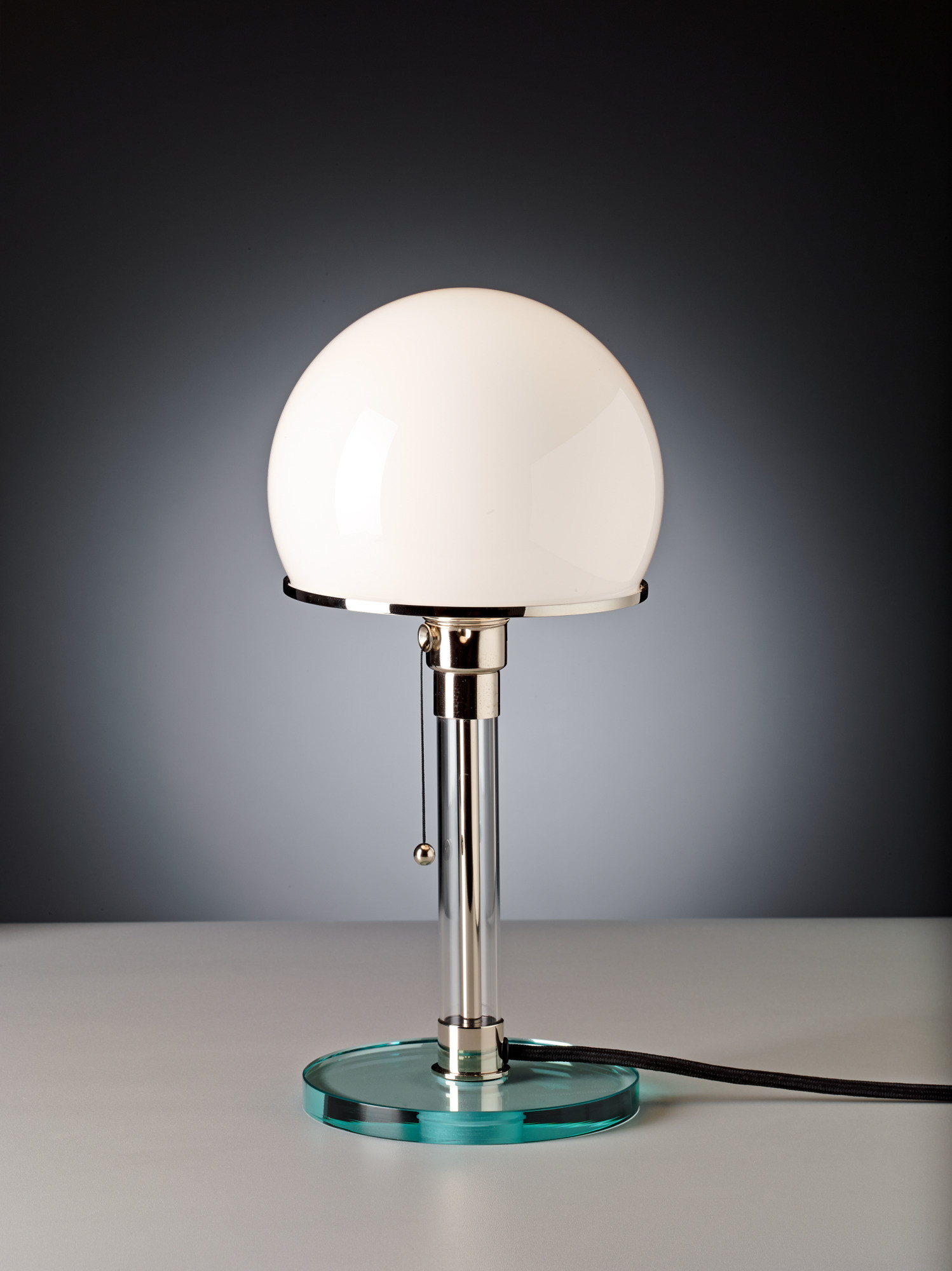
TECNOLUMEN ®, founded by Professor Wilhelm Wagenfeld, is the only company worldwide to have been granted a licence to produce re-editions of the Wagenfeld lamp. All other table lamps with a similar appearance are counterfeits. The only original version of this Bauhaus lamp is manufactured by TECNOLUMEN ® in Bremen .
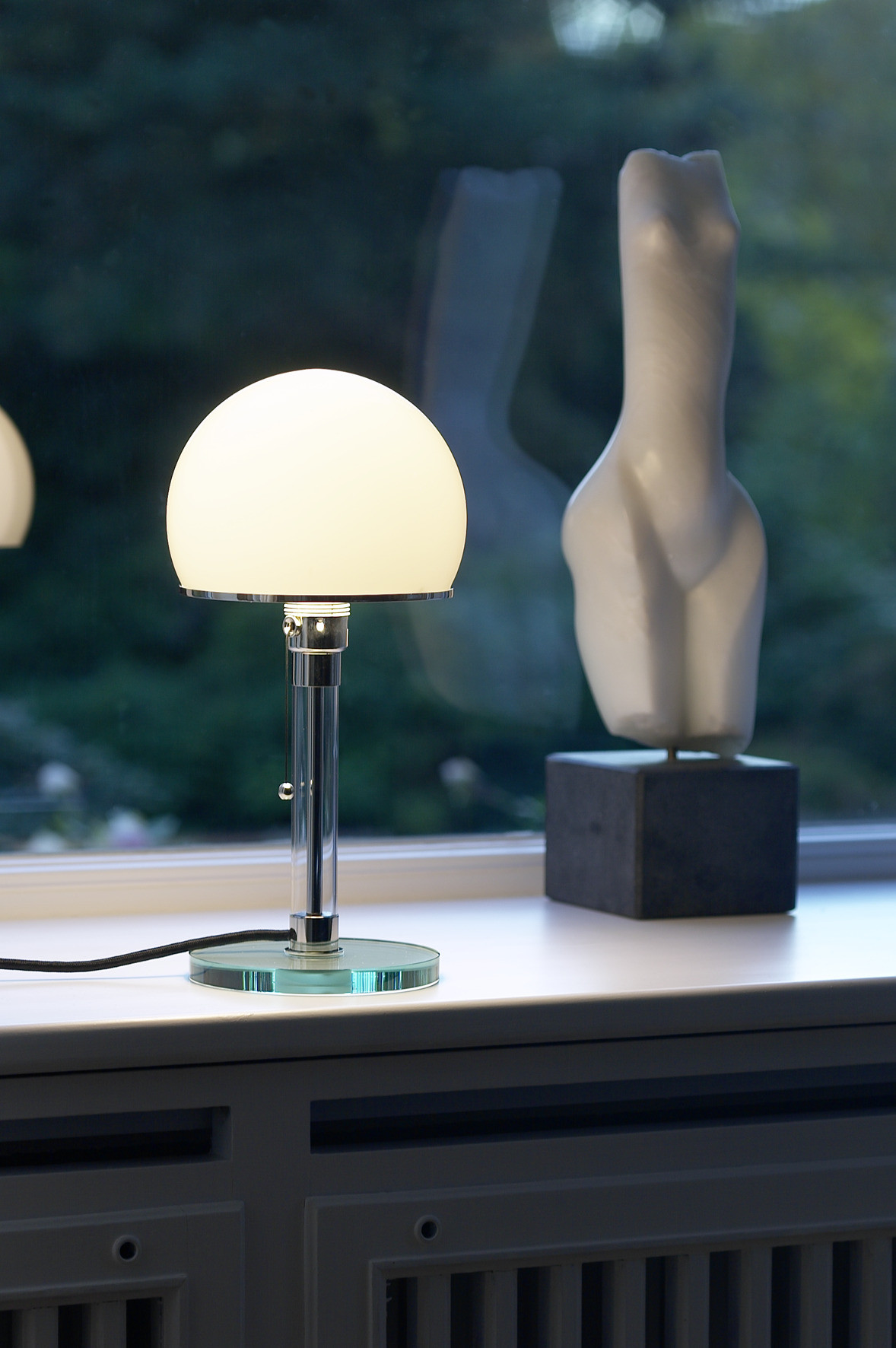
Original vs. Counterfeit
But how can you tell whether it is an original or a counterfeit ? There are a few general factors to look out for when you’re thinking of buying a designer lamp .
On the left-hand side, you can see an original Wagenfeld table lamp from Tecnolumen. Below, we will highlight the areas you need to look out for in order to recognise the original.
The modern Bauhaus lamp in perfection – that is the ORIGINAL WG 24 table lamp from Tecnolumen. It is the only copyright-protected reissue of this lamp authorised by the designer, Prof. Wilhelm Wagenfeld. Since 1986, it has been part of the permanent exhibition at the Museum of Modern Art in New York. It is, therefore, a true classic. The metal parts are nickel-plated and develop a slightly yellowish patina over time. The dome-shaped diffuser is made of opal overlaid glass, hand-blown.
Keep your eyes open online
Warning: Counterfeit alert
How to recognise the original:
- Surface: The surface of the original Wagenfeld lamp is, as it was originally, nickel-plated (not chrome-plated) and develops a slightly yellowish patina over time.
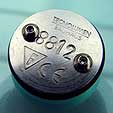
- Base: The transparent base is made of clear glass. In the centre of the base, the glass plate is milled out in a circular shape and the assembly is secured with two screws. In the counterfeit, however, the base is made of thin glass. Compared to the original, the glass plate on the counterfeit is smaller in diameter and the assembly is held in place by just a single dot of adhesive . As the dot of adhesive is not always applied correctly, the counterfeit is often slightly askew.
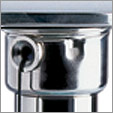
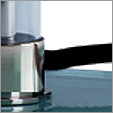
- Fabric-covered cable: The original’s power cable consists of a black fabric-covered cable. The cable exits the housing at the side through a black rubber grommet . On the counterfeit, the rubber grommet is completely missing and the exit hole for the power cable is roughly sawn out . And another distinguishing feature: the counterfeit has a flat plug, whilst the original has a Schuko plug.
- Glass tube/metal tube: In the original Bauhaus lamp, the cable is routed through the glass tube via a nickel-plated metal tube . In the counterfeit, the simple threaded rod is held in place by a metal housing.
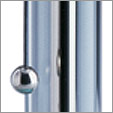
- Pull cord: The pull switch features the characteristic grommet and has a small nickel-plated ball at the lower end, which prevents the cord from fraying. The pull cord attachment on the counterfeit appears to be welded on; the cord is relatively short and the ball very light.
- Shade: The shade of the original is made of hand-blown opal glass and is secured by means of three knurled screws . Both the original and the counterfeit feature a two-layered glass construction.
- Markings: All Wagenfeld lamps are numbered and bear the TECNOLUMEN / BAUHAUS stamp under the base plate. All components and the lamp itself are VDE type-tested. This is also documented by the corresponding VDE labels and stickers on each lamp.